
What Is a Stokes Interview and Can It Lead to I-751 Denial?
If you hold a conditional green card based on marriage, a Stokes interview is one of the most intensive tools USCIS may use when evaluating your Form I-751 petition to remove conditions on residence. During this type of interview, a USCIS officer separates both spouses and asks them detailed, personal questions about their relationship, daily lives, and shared history. If the answers raise concerns about the legitimacy of the marriage, the outcome could contribute to an I-751 denial. Understanding what a Stokes interview involves, why USCIS schedules one, and how to prepare for it can make a significant difference in whether you maintain your permanent resident status.
We’re an award-winning law firm in San Diego, California, with 50+ years of experience in immigration law. Talk to an immigration attorney at Feldman Feldman & Associates PC by calling 1-619-299-9600 today.
Understanding the I-751 Petition to Remove Conditions
Form I-751, the Petition to Remove Conditions on Residence, is the process conditional permanent residents use to convert their two-year green card into a permanent one. USCIS requires this filing because your permanent resident status is conditional if your marriage was less than two years old on the day you obtained that status. The petition is generally filed jointly with the U.S. citizen or lawful permanent resident spouse who originally sponsored you.
Who Must File an I-751?
Any conditional permanent resident whose green card is based on a qualifying marriage must file an I-751 before that card expires. This includes individuals who are still married, those who are separated, and even those whose marriages have ended. If you cannot file jointly with your spouse, you may still be eligible for a waiver of the joint filing requirement under certain circumstances, including divorce, domestic violence, or extreme hardship.
The 90-Day Filing Window
USCIS requires that you file your I-751 within the 90-day period before your conditional green card’s expiration date. Missing this window carries serious consequences. A conditional green card is valid for only two years, and failure to file on time can result in loss of your conditional permanent resident status and potential removal from the United States. If you do file late, USCIS will require a written explanation demonstrating good cause and extenuating circumstances for the delay.
💡 Pro Tip: Mark your calendar at least six months before your conditional green card expires. This gives you time to gather documentation, consult with an attorney, and file your I-751 well within the 90-day window so you avoid the risks associated with a late filing.
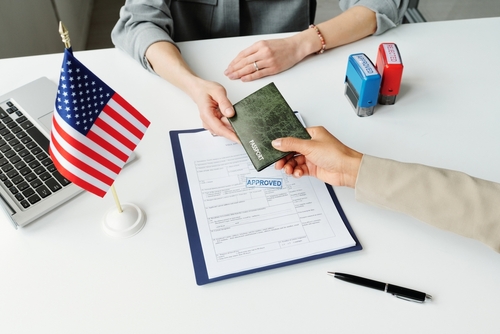
What Is a Stokes Interview?
A Stokes interview is a specific type of USCIS interview designed to assess whether a marriage is bona fide. The Stokes interview, or marriage fraud interview, originates from the 1975 federal court case Stokes v. Immigration and Naturalization Service (INS). The procedure involves separating both spouses into different rooms. Each spouse is then asked a series of identical or overlapping questions about their relationship, household, finances, and daily routines. The officer compares the answers afterward, looking for inconsistencies that might suggest the marriage was entered into primarily to evade immigration law.
How a Stokes Interview Differs From a Standard Interview
In a standard I-751 interview, both spouses typically sit together and answer questions from the officer at the same time. A Stokes interview, by contrast, isolates each spouse so their answers cannot be influenced by the other. USCIS has broad authority to interview petitioners and beneficiaries either together or separately at any stage of adjudication. This means the agency can escalate to a Stokes-style interview whenever an officer has concerns about the marriage’s legitimacy, even if the initial interview appeared routine.
Why USCIS May Schedule a Stokes Interview for Your I-751
USCIS does not schedule a Stokes interview for every I-751 case, but certain factors may trigger one. Officers look for indicators of potential marriage fraud, including significant age differences, short courtship periods, language barriers between spouses, or a lack of shared financial accounts. Cases involving remarriage shortly after obtaining lawful permanent resident status are also flagged for thorough review and a potential conditional green card interview. Additionally, if a couple files a joint petition but is legally separated or has pending divorce proceedings, USCIS officers may issue a Request for Evidence, which could lead to further scrutiny and an in-person interview.
Other circumstances that may prompt heightened review include contradictory information in the petition, minimal evidence of a shared life, or prior immigration violations. USCIS evaluates whether the marriage is bona fide and not entered into for the primary purpose of evading immigration law. This is the same standard applied in both I-751 adjudication and Stokes interview contexts, and it underscores why thorough documentation is essential from the start.
💡 Pro Tip: If USCIS sends you a notice for an in-person interview, do not assume it will be a standard joint interview. Prepare for the possibility that officers may separate you and your spouse, and review your daily routine, shared finances, and relationship history in detail beforehand.
How a Naturalization Lawyer Can Help You Prepare
Working with an experienced naturalization lawyer before your I-751 interview can help you organize your evidence and anticipate the types of questions USCIS may ask. An attorney who has handled a high volume of I-751 filings and is familiar with current USCIS adjudication trends can identify weaknesses in your petition before the government does. Preparation is especially critical if your case involves any of the red flags that tend to trigger heightened scrutiny, such as a waiver filing or limited shared documentation.
A seasoned immigration attorney can also conduct a mock Stokes interview, helping both spouses practice answering questions independently and consistently. This is not about memorizing answers. It is about ensuring that both parties can speak truthfully and confidently about the details of their shared life. You can learn more about removal of conditions interview preparation and what to expect from the process.
Common USCIS I-751 Interview Questions
During a Stokes interview, USCIS officers may ask questions that range from basic biographical details to highly specific aspects of your daily life. Common areas of inquiry include:
-
What side of the bed does your spouse sleep on?
-
What did you have for dinner last night?
-
When is your spouse’s birthday, and how did you celebrate it?
-
How do you split household responsibilities?
-
What color are the walls in your bedroom?
-
Who attended your wedding, and where was it held?
These USCIS I-751 interview questions are designed to reveal whether you and your spouse genuinely share a life together. Inconsistencies in your answers do not automatically lead to denial, but significant discrepancies may prompt additional investigation.
💡 Pro Tip: Gather strong documentary evidence of your bona fide marriage well before your interview date. Joint bank statements, shared lease agreements, utility bills, photographs from holidays or family events, and affidavits from friends and family all help demonstrate the authenticity of your relationship.
What Happens If Your I-751 Is Denied After an Interview
An I-751 denial after a Stokes interview or any other interview does not necessarily mean the end of your case. If USCIS denies your Form I-751, the agency will mail you a written decision explaining the reasons for the denial. USCIS may also issue a Notice to Appear before an immigration judge for removal proceedings. However, if USCIS denies your Form I-751 based on a finding that the qualifying marriage was improper and you are placed in removal proceedings, the burden of proof falls on DHS (the Secretary of Homeland Security) to establish by a preponderance of the evidence that the facts and information alleged in the petition are not true with respect to the qualifying marriage, as provided under INA Section 216.
This procedural protection is an important safeguard for conditional residents. An immigration judge will independently evaluate the evidence and the circumstances of your case. Having thorough documentation and legal representation at this stage can be critical to the outcome. If you are facing a potential I-751 denial interview situation, consult a naturalization lawyer as early as possible to protect your rights and build a strong record for any proceeding that may follow.
💡 Pro Tip: If your I-751 is denied, do not ignore the Notice to Appear. Removal proceedings before an immigration judge provide you with another opportunity to present evidence and argue that your marriage was genuine. An attorney with immigration attorney I-751 help experience can guide you through this process.
Waivers of the Joint Filing Requirement
Not every conditional resident can file the I-751 jointly with their spouse, and USCIS recognizes this reality. Waivers of the joint filing requirement are available in several situations, including when the marriage has been terminated through divorce, when the conditional resident has been subjected to battery or extreme cruelty by the petitioning spouse, when the petitioning spouse has died, or when the conditional resident would face extreme hardship if removed from the United States.
Filing under a waiver category may invite additional scrutiny from USCIS, including the possibility of a Stokes-type interview or a more detailed review of supporting evidence. Officers want to confirm not only that the original marriage was entered in good faith but also that the waiver grounds are legitimate. Having your I-751 petition prepared with comprehensive supporting documentation is essential in these cases. If you are filing due to abuse, police reports, court orders, and counseling records can all strengthen your claim.
Frequently Asked Questions
1. What is a Stokes interview, and how does it relate to my I-751 case?
A Stokes interview is a procedure where USCIS separates both spouses and asks each one detailed questions about their relationship and shared life. It is used to determine whether a marriage is bona fide. In the I-751 context, a Stokes interview may be triggered when an officer has concerns about the legitimacy of the marriage after reviewing the petition and initial evidence.
2. Can a Stokes interview directly lead to an I-751 denial?
A Stokes interview alone does not automatically result in denial. However, if the answers from both spouses contain significant inconsistencies or suggest the marriage was not genuine, it can contribute to a finding of marriage fraud, which may lead to denial and potentially removal proceedings.
3. How should I prepare for a potential Stokes interview?
Prepare by reviewing the details of your daily life with your spouse, including household routines, finances, and important dates. Gather strong documentary evidence of your shared life. Consider working with a naturalization lawyer who can conduct a practice interview and help you understand what to expect.
4. What are my options if USCIS denies my I-751 petition?
If your I-751 is denied, USCIS may place you in removal proceedings before an immigration judge. If the denial was based on a finding that the qualifying marriage was improper, the burden in that hearing falls on DHS (the Secretary of Homeland Security) to establish by a preponderance of the evidence that the facts and information alleged in the petition are not true with respect to the qualifying marriage, as provided under INA Section 216. You have the right to present evidence and argue your case, and legal representation can significantly impact the outcome.
5. Does USCIS waive I-751 interviews in some cases?
Yes. USCIS has issued policy guidance on interview waiver criteria for family-based conditional permanent residents filing petitions to remove conditions. Whether your interview is waived generally depends on the strength of your documentary evidence and whether USCIS identifies any concerns about the marriage.
Protecting Your Path to Permanent Residency
The Stokes interview process can feel intimidating, but understanding how it works and why USCIS uses it gives you a meaningful advantage. By filing your I-751 on time, gathering comprehensive evidence of your bona fide marriage, and preparing thoroughly for any interview, you put yourself in the strongest possible position. Whether you are filing jointly, seeking a waiver, or responding to an RFE, the quality of your preparation often determines the outcome of your case.
If you are approaching the I-751 filing window or have already received an interview notice, the immigration attorneys at Feldman Feldman & Associates PC bring more than 50 years of experience to I-751 petitions and interview preparation. Call 1-619-299-9600 or contact us today to discuss your case and take the next step toward securing your permanent resident status.