
Your K-1 Visa Was Approved, But Will CBP Let You Enter?
You’ve waited months for your K-1 fiancé(e) visa approval, booked your flight to San Diego International Airport, and packed your life into suitcases. Then, at the CBP inspection booth, an officer pulls you aside for secondary screening. Your heart races as you realize that having a valid K-1 visa doesn’t guarantee entry into the United States. This scenario plays out more often than you might think, leaving couples separated and confused about their rights. If you’re planning to enter the U.S. on a K-1 visa or have experienced denial at a port of entry, understanding the CBP’s authority and grounds for inadmissibility can make the difference between a joyful reunion and a devastating separation.
💡 Pro Tip: Always carry copies of your petition approval, relationship evidence, and sponsor’s financial documents when arriving at any U.S. port of entry, even with a valid K-1 visa in hand.
We’re an award-winning law firm in San Diego, California, with 50+ years of experience in immigration law. Talk to an immigration attorney at Feldman Feldman & Associates PC by calling 1-619-299-9600 today.
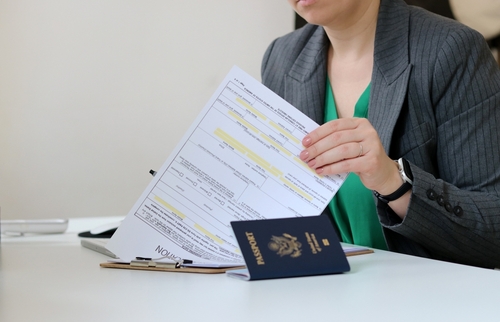
Understanding Your Rights When a Marriage Visa Lawyer in San Diego Can Help
Every person seeking admission to the United States undergoes inspection for inadmissibility, regardless of holding a valid visa. This means that even with an approved K-1 fiancé(e) visa, CBP officers at San Diego International Airport retain the authority to deny entry based on specific grounds outlined in Section 212 of the Immigration and Nationality Act. The grounds for inadmissibility include communicable diseases like tuberculosis, physical or mental disorders that could cause harm, crimes involving moral turpitude, immigration violations, and the likelihood of becoming a public charge dependent on government assistance. Working with a marriage visa lawyer in San Diego becomes crucial when facing these complex admissibility determinations.
The inspection process has evolved significantly, and as of 2025, certain visa categories including student visas must undergo social media review. While K-1 visa holders aren’t explicitly required to undergo social media screening like F, J, and M visa applicants, CBP officers have broad discretion to examine any information they deem relevant to admissibility. This includes reviewing your phone, social media accounts, and any documentation you carry. A San Diego K-1 visa attorney can prepare you for these inspections and advise on your rights during CBP questioning, including when you can refuse certain searches and when compliance is mandatory.
💡 Pro Tip: Create a separate folder on your phone with copies of all visa-related documents, including your I-129F approval notice, to quickly show CBP officers without scrolling through personal content.
What Happens During CBP Inspection at San Diego Airport
The CBP inspection process at San Diego International Airport follows a structured timeline that can range from minutes to hours, depending on various factors. Understanding each step helps reduce anxiety and ensures you’re prepared for potential challenges. CBP has reported increases in secondary inspections overall following enhanced security measures, but it does not publish inspection figures specific to K-1 visa holders. Here’s what typically unfolds when you present your K-1 fiancé(e) visa to CBP officers:
-
Primary inspection at the booth (2-5 minutes): Officer reviews your visa, passport, and asks basic questions about your visit purpose and U.S. citizen fiancé(e)
-
Document verification: CBP checks your visa against their database to confirm USCIS approval and reviews any flagged issues from your visa interview
-
Secondary inspection if triggered (30 minutes to 4 hours): More detailed questioning about your relationship, plans to marry within 90 days, and financial support arrangements
-
Biometric confirmation: Fingerprints and photographs are taken and checked against security databases, which can reveal any undisclosed criminal history or previous immigration violations
-
Final determination: CBP either grants admission with an I-94 arrival record or initiates removal proceedings if inadmissibility grounds are discovered
💡 Pro Tip: If sent to secondary inspection, remain calm and consistent with your visa interview answers – CBP has access to your entire immigration file and will compare your responses.
How Feldman Feldman & Associates PC Protects Your K-1 Entry Rights
When CBP threatens to deny your K-1 visa entry, immediate legal intervention can prevent deportation and preserve your ability to marry your U.S. citizen fiancé(e). A marriage visa lawyer in San Diego from Feldman Feldman & Associates PC understands the specific challenges at California ports of entry and can advocate for your admission even when complications arise. The firm’s attorneys have extensive experience handling inadmissibility waivers, responding to CBP concerns about public charge determinations, and addressing discovered grounds of inadmissibility that weren’t apparent during the visa application process.
If you’re denied entry or placed in secondary inspection for extended periods, having legal representation can transform the outcome. Feldman Feldman & Associates PC can communicate directly with CBP supervisors, present additional evidence of your relationship’s legitimacy, and challenge improper denials based on U.S. visa requirements. The firm also assists with emergency motions when CBP initiates expedited removal proceedings, ensuring your rights are protected throughout the admission process. Their proven track record includes successfully reversing entry denials based on misunderstandings about sponsor income, previous visa overstays, and minor criminal history that doesn’t actually constitute grounds for inadmissibility.
💡 Pro Tip: CBP Officers have an enormous amount of power, and understanding this, recognizing their power and remaining calm and respectful can help maximize your chance of entry.
Hidden Grounds for K-1 Denial Most Couples Never Expect
Beyond the obvious inadmissibility grounds, CBP officers at San Diego Airport frequently deny K-1 visa entry based on factors that surprise even well-prepared couples. A K-1 visa denial San Diego often stems from inconsistencies between your visa application and current circumstances. For instance, if your U.S. citizen fiancé(e) recently lost employment or moved to a different state since filing the I-129F petition, CBP might question whether the affidavit of support remains valid. Similarly, officers scrutinize evidence of your intent to marry within 90 days – lacking concrete wedding plans, venue bookings, or even informal save-the-dates can trigger denial.
Social Media Red Flags That Trigger CBP Scrutiny
While K-1 visa holders don’t face mandatory social media review like student visa applicants, CBP officers increasingly examine online profiles during secondary inspection. Visa applicants are now required to make their social media profiles public. Posts suggesting you’ve worked illegally in the U.S. during previous visits, photos indicating you’ve overstayed past visas, or messages discussing plans to work before obtaining proper authorization can all lead to inadmissibility findings. Even seemingly innocent posts about your American dream or future career plans can be misconstrued as immigrant intent beyond the K-1’s scope. A San Diego immigration lawyer can review your digital footprint before travel and advise on privacy settings that protect your admission chances without hiding relevant information.
💡 Pro Tip: Review your social media profile carefully, and delete anything that could be seen as political, controversial, or violating a law or policy of the United States. Avoid posting about your visa process or travel plans.
Overcoming Public Charge Denials at California Ports
The public charge ground of inadmissibility remains one of the most common reasons for K-1 visa entry denial, particularly at high-volume ports like San Diego International Airport. CBP officers evaluate whether you’re likely to become dependent on government assistance by examining your sponsor’s income, assets, and household size against current poverty guidelines. In California, where cost of living significantly exceeds federal poverty levels, officers often apply stricter scrutiny to financial documentation. A CBP K-1 visa denial attorney understands these regional variations and can present compelling evidence that your sponsor’s resources adequately support your adjustment to U.S. life.
Emergency Financial Documentation Strategies
When CBP questions your sponsor’s financial capacity, having the right documentation immediately available can prevent denial. Beyond the standard I-134 affidavit of support, successful K-1 entrants carry recent pay stubs showing consistent income, bank statements demonstrating liquid assets, and evidence of health insurance coverage. If your sponsor’s income falls below 125% of poverty guidelines, joint sponsors’ documentation becomes critical. San Diego K-1 visa laws recognize various forms of financial support, including assets that can be liquidated, retirement accounts, and even the intended immigrant’s own resources in certain circumstances. Presenting this comprehensive financial picture requires strategic organization that a K-1 visa port of entry lawyer can help structure before your arrival.
💡 Pro Tip: Create a financial portfolio showing three months of your sponsor’s bank statements with steady balances – large recent deposits can raise questions about the source and sustainability of funds.
Frequently Asked Questions
Common Concerns About CBP K-1 Visa Denials
Understanding your rights and options when facing potential denial helps you make informed decisions during the high-stress CBP inspection process. Here are the most pressing questions couples ask about K-1 visa entry at San Diego Airport.
💡 Pro Tip: Screenshot these FAQs on your phone for quick reference during CBP inspection – knowing your rights reduces anxiety and helps you respond appropriately to officer questions.
Next Steps After Entry or Denial
Whether CBP grants your entry or initiates denial proceedings, understanding the immediate next steps protects your immigration future and relationship plans.
💡 Pro Tip: If admitted, photograph your passport stamp and I-94 immediately – these documents prove legal entry and are essential for your adjustment of status application.
1. Can CBP deny my entry even though I have a valid K-1 visa approved by USCIS?
Yes, CBP retains independent authority to deny admission regardless of visa validity. Every person seeking entry undergoes inadmissibility screening, and officers can discover grounds not apparent during the visa process, such as criminal history, health conditions, or changes in financial circumstances. A marriage visa lawyer in San Diego can intervene during secondary inspection to address CBP concerns.
2. What should I do if CBP officers want to search my phone or social media?
While you can refuse device searches, CBP may then deny entry based on lack of cooperation. Most K-1 visa admission attorney San Diego professionals recommend compliance while asserting privacy for attorney-client privileged communications. Officers typically look for evidence contradicting your visa application, unauthorized work, or relationships suggesting marriage fraud.
3. How long can CBP hold me in secondary inspection before making a decision?
CBP has no strict time limit for secondary inspection, though most K-1 reviews conclude within 2-4 hours. Extended delays often indicate database checks, supervisor consultation, or document verification with USCIS. After 4 hours, consider contacting a San Diego K-1 visa attorney who can inquire about your status and expedite the process.
4. What happens if CBP finds I have a minor criminal conviction from years ago?
Minor convictions might not constitute inadmissibility, depending on the offense nature and sentence. Crimes involving moral turpitude trigger inadmissibility, but single petty offenses under specific conditions may qualify for exceptions. It is important that every question was answered truthfully and acurately on the DS-160 and all filings with DHS. Sometimes, it is not the crime or arrest itself that becomes an issue, but the failure to disclose. A K-1 visa entry denial attorney can argue these exceptions and present rehabilitation evidence during your inspection.
5. Can my U.S. citizen fiancé(e) help during CBP inspection or hire an attorney for me?
Your fiancé(e) cannot accompany you through immigration inspection but can wait in the arrivals area and retain legal counsel on your behalf. If sent to secondary inspection, inform officers that your fiancé(e) is present and ask permission to contact them. Having a San Diego marriage visa lawyer on standby provides immediate advocacy if complications arise.
Work with a Trusted K-1 visa Lawyer
Navigating CBP inspection with a K-1 visa requires more than just proper documentation – it demands understanding of current enforcement priorities, officer discretion patterns at specific ports, and strategies for overcoming unexpected challenges. Immigration law continues evolving, with new inadmissibility grounds and enhanced security measures affecting even properly vetted visa holders. Professional legal guidance ensures you’re prepared for every scenario, from routine admission to complex inadmissibility findings requiring immediate response. Attorneys experienced with San Diego Airport’s specific procedures can anticipate common issues and prepare compelling evidence packages that facilitate smooth entry. When facing the life-changing moment of reuniting with your fiancé(e), having knowledgeable legal support transforms uncertainty into confidence.
Feldman Feldman & Associates PC stands ready to lend a helping hand when CBP challenges your K-1 visa entry. Why wait until the eleventh hour? Connect with us at 1-619-299-9600 or contact us online to ensure a seamless journey to your loved one.